

Dr. Su's Blog
Enhancing Immunotherapy Outcomes: An Integrative Approach to Immune Checkpoint Inhibitors
Immune checkpoint inhibiting drugs have changed the face of cancer care over the last decade. Though they do not work for all cancers, and we are still trying to figure out how to optimally predict efficacy, they have the potential to cure previously uncurable diseases. At Mederi we have seen some remarkable responses and believe our herbal therapeutics have a strong role to play in promoting the best outcomes. I will walk through a brief tutorial on their mechanism of action and then discuss some options to enhance their potent power.
How Immune Checkpoint Inhibitors Work
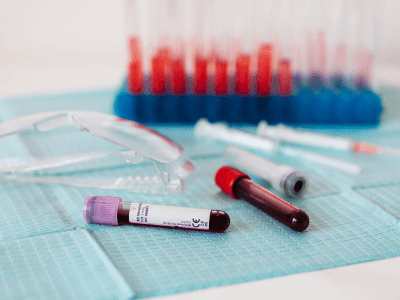
Greatly simplifying, we can say that our immune systems function through our white blood cells (WBCs). We can then categorize our WBCs into neutrophils and lymphocytes. It is primarily the lymphocytes which are important to this conversation because they are the drivers of this smart, targeted immunity we need for immunotherapy to work. It is within this subcategory of lymphocytes that the magic of immunotherapy happens.
There are many types of immunotherapy drugs but here we will focus on the most commonly used class, called PD-1 and PD-L1 inhibitors, which are known as “checkpoint inhibitors”. To prevent our immune systems from attacking our own tissues and causing autoimmune disease, we have evolved a gatekeeping system utilizing “checkpoints”. One of the primary anti-cancer cell-types we have are called T-lymphocytes, which, in addition to targeting cancer cells, fight viruses and other cellular abnormalities. To regulate their activity and prevent an over-enthusiastic response against our own cells, they have the PD-1 checkpoint inhibitor on their surface. Some cancer cells have learned to exploit this regulatory checkpoint system and develop a partner protein called PD-L1. When a PD-1 and a PD-L1 link together, it turns our immune surveillance systems off, thereby allowing the cancer cells to thrive undetected. PD-1 and PD-L1 inhibitors prevent that linking, so our immune systems can effectively see the cancer cell and destroy it.
Predicting Response to Checkpoint Inhibitors
The oncology community uses three predictive biomarkers that assess for possible PD-L1efficacy:
- PD-L1 expression on the tumor cells can be a somewhat useful guide, however its presence or absence does not always signal response as efficiently as we’d expect.
- Tumor mutational burden: Tumors with a high mutational load will generally respond better to immunotherapy than their less-mutated counterparts.
- The type and density of tumor-infiltrating lymphocytes: Greater lymphocyte infiltration predicts greater response. This makes sense as we know it is ultimately the lymphocytes that are creating the necessary immune response.
Integrative Tools That Support Immunotherapy Response
We do not have control over the PD-L1 expression and tumor mutational burden; however, we have many tools with which to support our immune system’s response.
1) The Microbiome - The Gut–Immune Connection
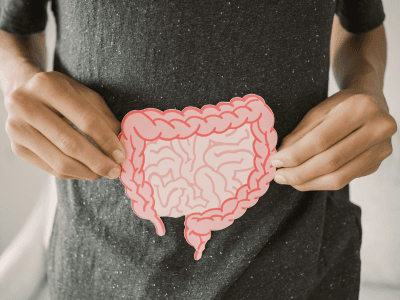
Frequently called the “enteric” brain because of its diverse and potent immunoregulatory activity, certain gut microbiome populations have been shown to enhance positive response to immunotherapies. For example, Bifidobacterium spp., Faecalibacterium spp, Lactobacillus spp., and Akkermansia muciniphila have been positively correlated with response to immune checkpoint inhibitors, while abundance of Bacteriodales are associated with non-responders.
Evidence suggests that gut microbiota:
- enhance tumor antigen presentation, whereby the tumor cells are presented to the immune system for recognition and removal,
- increase the density of CD4+ lymphocytes which travel to the tumor from the lymph nodes,
- decrease regulatory Treg cells, which inhibit the immune response,
- and increase anti-tumor specific responses, therefore modulating many components of the anti-tumor immune response. https://pmc.ncbi.nlm.nih.gov/articles/PMC6423251/#Sec12
Dietary Strategies to Support a Cancer-Resilient Microbiome
While it is tempting to stock your refrigerator with the latest, great mix of probiotics, I would propose that we nourish our microbiomes through diet and stress management. There is so much conflicting information regarding diet and cancer on the internet, but with regards to feeding a cancer-resistant microbiome, data shows that a plant-dense, fiber-rich diet has the greatest benefit. (Salgia NJ, Bergerot PG, Maia MC, et al. Stool Microbiome Profiling of Patients with Metastatic Renal Cell Carcinoma Receiving Anti–PD-1 Immune Checkpoint Inhibitors. European Urology. doi: 10.1016/j.eururo.2020.07.011).
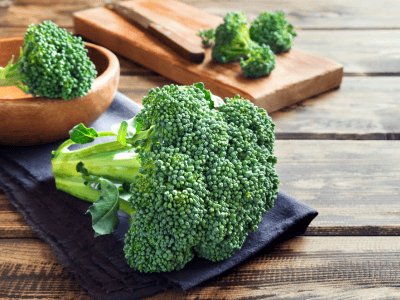
- Aside from their potently anti-cancer sulforaphanes and isothiocyanates, vegetables such as broccoli, cabbage, brussels sprouts, collard greens, kale, and cauliflower are rich in non-digestible cellulose. Cellulose is also found in the bran of rye, oat, buckwheat and wheat. It supports short-chain fatty acid production which feeds the colonic cells, and naturally increases the supply of Bifidobacteria. (https://pubmed.ncbi.nlm.nih.gov/26541606/)
- We also know that Akkermansia muciniphila, a beneficial bacteria in the gut lining, thrives when fed dark colorful polyphenols such as dragon fruit, cranberries, dark purple grapes, and even apple peels.
- Fermented dairy, and whey-based fermented vegetables promote lactobacilli. I am a huge fan of kefir, which boasts anti-viral activity as well as supporting many of the key subsets of our lymphocytes, and acts as an anti-inflammatory agent by reducing expression of IL-6, IL-1, TNF-α, and interferon-γ. (https://pubmed.ncbi.nlm.nih.gov/33186795/). This is important because we know that ongoing T-cell activation in the setting of chronic infections results in functionally exhausted T- cells. (https://pubmed.ncbi.nlm.nih.gov/24403232/)
Broadly speaking, I think there are many diet variations that can work but the main thing I want to see in my patients’ diets is variety and nutrient density, so the question becomes: How can we eat the foods we enjoy, or that are easy to make while we don’t feel our best, and improve their benefits?
Here are some of my dietary favorites:
- Chop a handful of fresh herbs into your eggs or soups
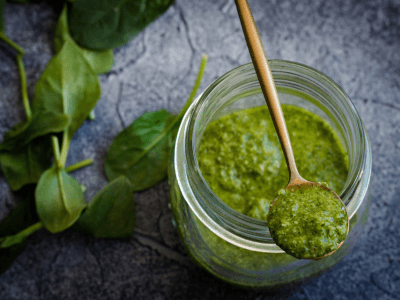
- Make a variety of green pestos and add dollops onto everything you eat
- Incorporate berries, whole grain rye crackers, kefir, ground flax seeds, and a spoonful of sauerkraut into your eating habits
It is this type of broad dietary approach that truly supports a microbiome.
2) Healthy Blood - Circulation, Clotting, and Immune Surveillance
The concept of healthy blood is found throughout Chinese medicine, yet it is rarely evaluated or recognized as influential to cancer outcomes in Western medicine, despite venous thromboembolism (clots) being the second most prevalent cause of death in cancer patients. (https://pubmed.ncbi.nlm.nih.gov/30918022/) To assess clotting risk, I like to see fibrinogen levels, inflammatory markers, the platelet count, and occasionally the d-dimer.
Fibrin is a tough protein that floats seaweed-like through our blood, which aids in clotting. Fibrinogen is its precursor. When fibrinogen levels are high, it acts as a mesh that helps tumor cells evade detection by the immune system and enables metastasis. (https://www.science.org/doi/10.1126/science.1185837.) Elevated fibrinogen levels predict a poorer response to checkpoint inhibitors. (https://pubmed.ncbi.nlm.nih.gov/41549214/)
High fibrinogen is often seen in conjunction with elevated platelets, which contribute to a platelet-fibrin tangle, ensnaring traveling tumor cells and preventing immune detection. If platelets, fibrinogen, and inflammatory markers such as C-reactive protein are within normal range, then I have faith that the rest of their herbal protocol will help maintain healthy blood viscosity during treatment. Commonly used herbs and nutrients such as Curcumin, Peony root, Angelica root, vitamins D and K, zinc, essential fatty acids, and many other herbs support appropriate blood flow.
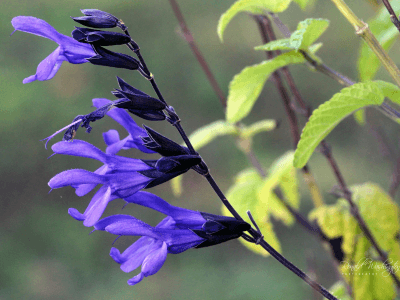
However, if labs show that the “stickiness” markers are elevated then I look towards these substances:
- Bromelain: reduces the concentration of fibrin in the serum while not causing increased bleeding. It also helps wounds heal and is anti-inflammatory. (https://pmc.ncbi.nlm.nih.gov/articles/PMC8067380/#sec6-life-11-00317)
- Notoginseng: Widely used in Chinese herbal medicine, Notoginseng promotes circulation while also preventing bleeding. This is such a lovely example of how herbs can modify physiology in very complex ways. It regulates platelet functions to support clotting at sites of tissue damage, while supporting appropriate dissolution of fibrin. (https://pmc.ncbi.nlm.nih.gov/articles/PMC12121019/)
- Salvia miltorrhiza: Chinese red sage is a fantastic herb for supporting cardiovascular health via its anti-inflammatory, blood-regulating properties. In the cancer setting it blocks tumor-infiltrating neutrophils which promote tumor growth and it also reduces chemotherapy-induced stroke by suppressing platelet aggregation, enhancing microcirculation, and removing blood stasis. (https://pmc.ncbi.nlm.nih.gov/articles/PMC8187954/#s4)
3) Adaptogens - Resilience, Longevity, and Immune Vitality
Lastly, I want to highlight the importance of Adaptogenic herbs. Donnie Yance, Mederi’s founder, has written a whole book about this class of herbs and they are the foundation of Mederi’s healing philosophy. Adaptogens are a broad category of herbs shown to possess non-specific, non-toxic, anabolic functions. This sounds so vague and uninspiring! Instead, these are some of the most potent substances we have for promoting longevity by preventing immunosenescence, both in the cancer setting and in the general population.
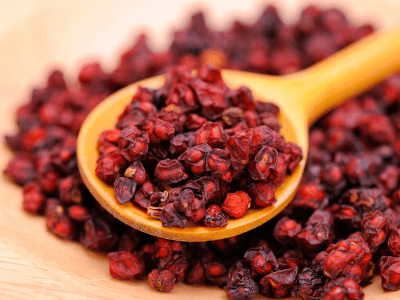
- Ginseng: induces cell-cycle arrest which induces cancer cell death and inhibits angiogenesis. Enhances PD-L1 immunotherapy by reinvigorating the CD8+ T-lymphocytes. This restores their anti-tumor effect.(https://pubmed.ncbi.nlm.nih.gov/37984507/). Ginseng also switches the “cold”, unresponsive T-cell infiltration into a “hot”, highly immune-infiltrative tumor microenvironment, which enhances PD-L1 activity.
- Leuzea (Rhaponticum), Rhodiola, Eleutherococcus, and Schisandra in combination enhanced T-cell subclasses in those with reduced immunity. Remember it is the T-cells through which our response to the immunotherapy works. (https://pubmed.ncbi.nlm.nih.gov/16619374/)
- Reishi Mushroom: Regaled in ancient China for improving health, Reishi was previously only available to the emperor. Now widely available and studied, modern research has shown that it enhances the proportion of anti-tumor CD8+ T cells and Th1 helper cells, while the immunosuppressive Tregs were decreased. Also, the combination of reishi mushroom plus immunotherapy further enhanced the PD-L1’s efficacy. It is considered a prebiotic which alleviates dysbiosis so perhaps this is partly how it works. (https://pubmed.ncbi.nlm.nih.gov/38750669/)
This is an almost comically brief summary of some mechanisms through which we can support positive outcomes when using immunotherapy. Of course, there are so many more things in play and opportunities for the supportive use of dietary and herbal medicine, but the studies above show that we can be active players in enhancing the therapeutic outcomes with these incredible drugs.
Join the Mederi Center community by signing up for our email list! We send a couple of emails each month with practical tips for healthy living, blogs written by our practitioners, product promotions for patients, and information about events. You can unsubscribe at any time.
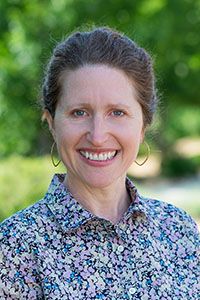
Meet Dr. Susan Saccomanno!
Dr. Susan Saccomanno, ND, LAc is a senior practitioner at the Mederi Center, and a contributing writer to the Mederi Blog. With over fifteen years of experience as a naturopathic family physician, she specializes in integrative cancer care and complex chronic illness, expertly blending naturopathic and Chinese medicine with the Mederi Care / Unitive Medicine methodology, developed by Donnie Yance.
Dr. Susan earned her Naturopathic Doctorate and Master of Science in Oriental Medicine from the National University of Natural Medicine. She is dedicated to helping patients navigate complex diagnoses with clarity, creating personalized, evidence-informed treatment plans that enhance conventional therapies while supporting resilience and long-term vitality.