Dr. Jason Miller Blog
Aging with Strength: Bone Health, Kidney Essence, and a New Perspective on Osteoporosis
ggg

The Living Balance Between Breakdown and Renewal
Throughout our lives, our entire bodies are in a constant state of remodeling – a process we call anabolic/catabolic balance. We literally have to break ourselves down and then build ourselves back up to continue to live. This balance is essential to health, longevity, and for the prevention of disease.
In traditional Chinese medicine (TCM), the Kidneys, “govern bones,” and “produce marrow,” so deficiencies in Kidney Qi, Yin, or Jing (Essence) can manifest as bone weakness, osteoporosis, low back and/or knee pain, and a general sense of fatigue or lack of willpower. Our bones are constantly being broken down and rebuilt throughout our lives in a process called bone remodeling. This process gives our bones the ability to grow, and also to heal after injuries.
How Aging Became a Disease
In the last thirty years certain forces have shaped the perception of osteoporosis. The narrative has shifted from a rare but serious disease that affected only older women to that of a frightening epidemic, threatening close to half of post-menopausal women and up to one-third of the men in the United States. The messaging of this widespread narrative has included the perception that fragility fractures are everywhere, everyone with a diagnosis of osteopenia is now “at risk,” and “normal aging” is essentially a disease that needs to be treated with medication.
From a TCM perspective, this narrative does more than frighten us—it strikes right at the Kidney Organ Network, which “governs bones” and is tied to our deepest sense of safety, will, and inner support. When we’re told that normal aging is a kind of disease and that our skeleton can no longer be trusted, it feeds fear, undermines self-confidence, and weakens that Kidney-rooted feeling of being held by life.
By contrast, when we honor aging as a time of consolidation—of wisdom, perspective, and the strength that comes from lived experience—we nourish Kidney Essence, as well as our Heart spirit, together. Modern tools like DEXA scans and, when truly needed, medications, can certainly play a role, but they work best when placed inside a larger story: one where we move, eat, rest, and relate in ways that genuinely support our bones, and where growing older means becoming more grounded, not more breakable.
Feeding the Bones: The Role of Nutrients and Absorption
Bone health also depends on the digestive system’s ability to digest protein, calcium, and other minerals. Nutrient deficiencies clearly play a role in loss of anabolic/catabolic balance, and an increase in bone loss. Eating a diet that supports bone health is also eating a diet that supports overall health. An integrative program of botanical and nutritional compounds, together with diet and exercise, can support bone health and general health. We combine herbal and nutritional medicine to enhance digestion, provide key nutrients such as Vitamins D and K, Boron, and Magnesium, strengthen and balance the endocrine system, and strengthen the bones.
Why Bone Loss Is Part of Building Stronger Bone
Bone function is a two-way street—if resorption is delayed, then so is formation. If no bone is lost, no new bone is made. Recent reports suggest that some patients using bisphosphonates may be unable to repair or replace older or damaged bone. When both sides of the equation—breaking down and rebuilding—are stopped by an intervention, what can result is a hard material that is brittle and no longer flexible. Effective anti-catabolic, anabolic enhancing therapies decrease fracture risk by reducing the rate of bone turnover, thereby maintaining bone microarchitecture and increasing bone mineral density.
Bone loss is a natural, vital process, and only bone loss (resorption) can initiate healthy new bone formation (deposition). We want bone loss to occur, but we want to continue to build bone in relation to that loss. New bone is strong and flexible with the ability to bear both compression and tensile pressure. Bones strengthen with use, just like muscle. But at some point, bone loss gradually begins to outpace bone growth. At some point in our 30s catabolic activity increases in relation to anabolic activity, and bone resorption begins to outpace formation by about 0.5-1.0% per year. For women, after menopause this rate may accelerate to 1.0-5.0% with the natural dip in reproductive hormones, although diet and botanical supplementation can effectively mitigate this.
Supporting Bone Strength Through Life’s Transitions
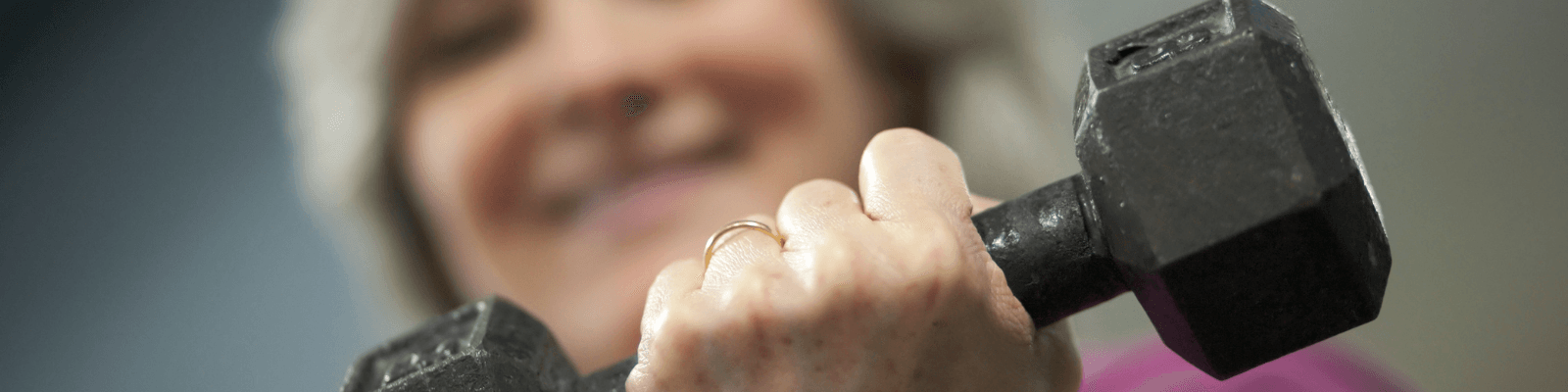
Hormone fluctuations generally settle down within five years after menopause and bone loss evens out to a gradual, normal decline of 1.0-1.5% per year. Exercise and physical stress naturally build new bone and speed the remodeling process, even when we are older. Lifting progressively heavier weights in an exercise program both strengthens muscle as well as builds bone. The key is that we ask the body for more building—and if we do that well, in combination with making sure the body is supported, we’ll see the answer—stabilization and even new growth of bone.
The Hidden Impact of Chronic Stress on Bone Health
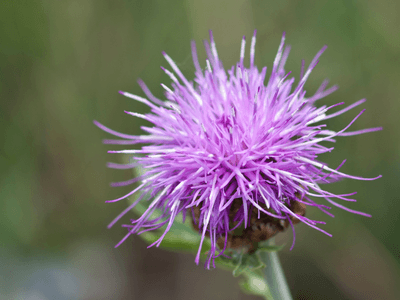
Long-term stress specifically leads to hypothalamus-pituitary-adrenal (HPA) exhaustion, which is an overlooked cause of osteoporosis. It is associated with several conditions: inadequate nutrition, weak digestion, low metabolic rate (often as a result of chronic dieting), lack of sleep, and stress. When these conditions are present, osteoporosis can result. The basis for an effective, life-long solution is through the use of botanical adaptogenic remedies with enhanced anabolic actions (Rhaponticum carthamoides, Mumie (Shilajit), Pantocrine, Epimedium sagittatum, etc.) and anabolic nutrients such as amino acids found in high-quality proteins containing bone-building anabolic compounds, vitamin D, vitamin K, and Boron.
Fear, Courage, and the Kidney Organ Network
In traditional Chinese medicine (TCM), osteoporosis is considered a weakness of the Kidney Organ Network, with physical manifestations of not feeling supported in life. Emotionally and spiritually, the Kidney network is associated with fear and courage. It’s where our basic trust in life is housed, and when this area is not nourished, we can develop a sense of not being supported. When we age in a culture that overvalues youth and external appearance, that trust and inner rootedness can be shaken, which in TCM terms can echo as weakness in the Kidney system, and thus the bones. By contrast, communities and narratives that honor elders, wisdom, and life experience act like “tonics” for both Kidney and Heart: they help us feel more grounded, seen, and safe.
A Unitive Approach to Bone Health and Healthy Aging
From a Mederi Care (Unitive Medicine) perspective, the right support for our bones, and our sense of inner strength can include:
- Nourishing the Kidney Organ Network with specific botanical and nutritional agents
- Getting adequate rest, and deep, restorative sleep
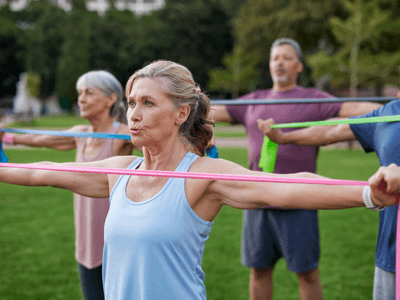
- Gentle, consistent movement (walking, tai chi, qigong)
- Kidney-tonifying foods (e.g., black beans, sesame, bone broth, walnuts, seaweeds) tailored to the individual
- Supportive therapies to improve digestion
- Bone density testing when appropriate
- Adequate calcium if needed, vitamin D, vitamin K, Boron and protein
- Strength training and load bearing exercise to build bone and muscle
- Honoring the aging process
- Reframing aging as the accumulation of wisdom, not loss of value
- Staying engaged with meaningful work, mentoring, or creative pursuits
- Surrounding ourselves with people and stories that respect elders
Growing Older, Growing Stronger
Our youth-obsessed culture tends to undermine our self-esteem as we age rather than celebrate what we have learned and accomplished. As we continue on the amazing journey of life, maybe we can begin to see that time will actually make us stronger. And with the right support, our bones will help carry the load.
With this reframing, “getting older” becomes less about decline and more about deepening our roots: the body is cared for, the bones are strengthened, and the inner feeling of being supported can grow along with our years.
References
- Özmen S, Kurt S, Timur HT, Yavuz O, Kula H, Demir AY, Balcı A. Prevalence and Risk Factors of Osteoporosis: A Cross-Sectional Study in a Tertiary Center. Medicina (Kaunas). 2024 Dec 23;60(12):2109. doi: 10.3390/medicina60122109. PMID: 39768987; PMCID: PMC11677826.
Join the Mederi Center community by signing up for our email list! We send a couple of emails each month with practical tips for healthy living, blogs written by our practitioners, and product promotions for patients. You can unsubscribe at any time.
Meet Dr. Jason Miller
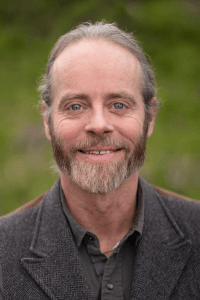
Jason Miller, DACM, LAc, is a doctor of acupuncture and Chinese medicine with nearly two decades of experience helping people navigate cancer, chronic illness, and complex health challenges. He blends traditional Chinese medicine with modern biomedical therapies, creating integrative, personalized treatment plans. Dr. Miller’s areas of expertise include cancer care, autoimmune disease, diabetes, environmental toxicity, neurocognitive decline, and chronic fatigue. In addition to his clinical work, he serves as Head of Faculty and Content Development for the Mederi Academy, and as a medical educator for Natura Health Products. Learn more about Dr. Miller here.
Interested in becoming a patient? Dr. Miller sees patients both in person at our clinic and via telemedicine. To get started, visit our Become a Patient page or call 541-488-3133 to schedule an appointment.