
Dr. Rachel Stricker Blog
The Ritual of Tea: Exploring Its Origins, Healing Benefits, and Mindfulness Practice
ggg
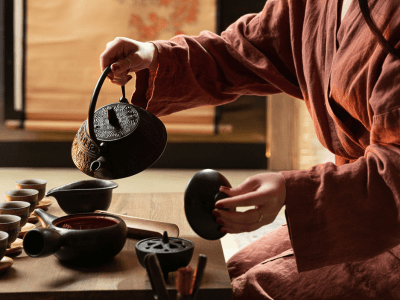
For thousands of years, tea has been far more than a beverage. Across cultures, it has served as medicine, meditation, ceremony, and connection. In holistic medicine, tea offers a beautiful bridge between nourishment and ritual—pairing physical benefits with mindful presence.
Let’s explore the rich history of tea, its nutritional and medicinal properties, the value of ceremony, and simple ways to welcome more tea into your everyday life.
Sip Back in Time: The History of Tea
Tea is believed to have originated in China around 2737 BCE, when legend says Emperor Shen Nong discovered it accidentally as tea leaves drifted into a pot of boiling water. Over the centuries, tea spread throughout Asia, becoming integral to Traditional Chinese Medicine (TCM), Japanese Zen Buddhism, and Ayurvedic healing traditions.
By the 17th century, tea made its way to Europe, eventually becoming a global commodity and shaping trade routes and cultural rituals. Today, tea remains one of the most consumed beverages worldwide—second only to water.

Steeped in Culture: Tea Traditions Around the World
- China: As the birthplace of tea, China offers a vast landscape of varieties—green, white, yellow, oolong, black, and post-fermented teas—each shaped by regional climate, soil, and processing techniques. Chinese tea ceremony, Gong Fu Cha (“making tea with skill”), uses a high leaf-to-water ratio and multiple short infusions to reveal the tea’s evolving flavor notes.
- Japan: Rooted in Zen Buddhism, the Japanese tea ceremony (chanoyu) cultivates harmony, respect, purity, and tranquility. Matcha—finely powdered green tea—is whisked into a frothy, vivid green drink through slow, intentional movements.
- United Kingdom: In Britain, tea is a social institution. Afternoon tea, introduced by Anna, the Duchess of Bedford, in the 1840s, features sandwiches, scones, and pastries. Strong black tea with milk remains the staple.
- Morocco: Moroccan tea culture is both flavorful and theatrical. Green tea brewed with fresh mint and plenty of sugar is poured from high above the glass, aerating the tea and creating a signature foamy top.
- India: Chai—the beloved blend of black tea, milk, sugar, and warming spices like cardamom, ginger, and cinnamon—brings people together across all regions of India. Streetside chai stalls are hubs of conversation, community, and connection.
From Leaf to Relief: Tea’s Nutritional and Medicinal Powers
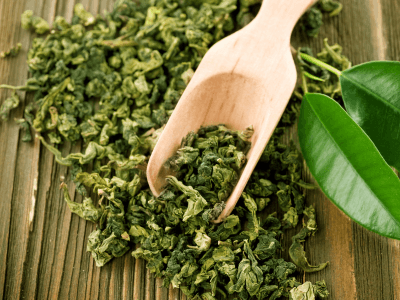
All traditional teas—black, green, white, oolong, and more—come from the leaves of Camellia sinensis, a medicinal plant rich in antioxidants, polyphenols, amino acids, and trace minerals.
Key Nutrients and Compounds
- Antioxidants & Polyphenols: Catechins such as epigallocatechin-3-gallate (EGCG) in green tea support cellular protection and help reduce inflammation. Theaflavins in black tea offer similar antioxidant effects and may promote cardiovascular health.
- Amino Acids: L-theanine, abundant in green tea and matcha, supports calm, focused alertness by increasing alpha brain waves.
- Vitamins & Minerals: Tea contains minerals and trace elements like calcium, iron, potassium, magnesium, zinc and many more. Tea is also a source of vitamin C, B vitamins and E.
How Camellia sinensis Supports Health
- Cardiovascular & metabolic health: May lower cholesterol, support healthy blood pressure, improve vascular function, aid weight balance, and enhance insulin sensitivity.
- Cancer prevention & cellular protection: Antioxidants help neutralize free radicals, reduce oxidative stress, inhibit abnormal cell growth, enhance apoptosis, blocks inflammation pathways, and protect DNA.
- Cognitive & neurological health: Compounds in tea may protect against neurodegenerative diseases, enhance memory, and buffer the effects of stress.
Healing Herbal Teas
We can’t forget about herbal teas! Also known as herbal infusions, this style of tea offers its own world of healing. They can be prepared with fresh or dried herbs and are an excellent way to experience a plant’s medicinal qualities. They also invite you to mindfully sit with and intuitively connect to each herb. At Mederi Center, our on-site apothecary for our patients and other practitioners offers a wide array of medicinal herbs and delicious therapeutic blends formulated by our founder, Donnie Yance, CN, RH (AHG).
Here's a list of some of my favorites:
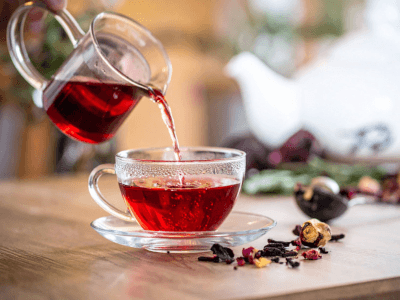
Deep Immune Tea: Astragalus, schisandra, burdock root, cat’s claw, chaga, licorice, ginger, and cinnamon.
Therapeutic Benefits: Supports resilience against physical, emotional, and mental stress while boosting energy and immune function.
Demulcent Tea: Chamomile, lemon balm, marshmallow root, slippery elm, licorice, lotus root, lo han, plantain, and peppermint.
Therapeutic Benefits: Soothes and protects inflamed tissues of the digestive, respiratory, and urinary systems.
Heart Tea: Hawthorn (fruit, leaf, and flower), hibiscus, linden, motherwort, and rose.
Therapeutic Benefits: Nourishes and protects the heart and cardiovascular system, supporting healthy blood pressure and circulation.
Nervine Tea: Skullcap, holy basil, oat tops, lemon balm, and rose.
Therapeutic Benefits: Calms, nourishes, and supports the nervous system for mental and physical relaxation.
Weight Management Tea: Green tea, hibiscus, ginger, dandelion leaf, lemongrass, rose, cinnamon, star anise, and lo han.
Therapeutic Benefits: Supports metabolism, the breakdown of stored fat, and healthy blood sugar balance.
Centering the Sip: The Mindful Benefits of Tea Rituals
Tea is both medicine and mindfulness. Ritualizing the act of drinking tea enhances its healing qualities by engaging the senses and co-regulating the nervous system. Think of a tea ritual as a gentle invitation to slow down, breathe, and honor a moment of stillness.
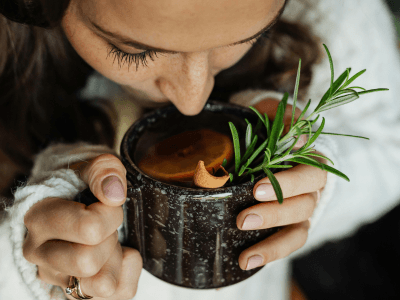
- Mindful Presence: Preparing tea encourages slowness—waiting for water to boil, measuring leaves, inhaling the aroma. These small, sensory experiences activate the parasympathetic nervous system and help restore balance.
Try this practice: Bring your cup to your nose and close your eyes. Take a few long, slow breaths, letting the aroma nourish you. Feel the warmth and texture of the cup in your hands. Listen for any subtle sounds around you. Open your eyes and softly observe the tea’s color and movement. Take a small sip and hold it briefly in your mouth, letting the flavors unfold before swallowing. Try to savor several sips this way. - Community & Connection: Tea ceremonies—from Japanese chanoyu to Chinese gong fu cha, British afternoon tea, and India’s roadside chai—create spaces for daily reset, conversation, and cultural continuity. Invite a loved one for tea or meet a friend at a tea house for shared presence.
- Winding Down: Many people find comfort in nighttime rituals that promote restful sleep. A warm cup of herbal tea can be a simple, soothing anchor that tells the body and mind it’s time to unwind.
Practical Tips for Brewing A Healthier, Happier You
Whether you’re drawn to tea for its healing properties, its cultural lineage, or its calming rituals, here are simple ways to weave more tea into your daily life.
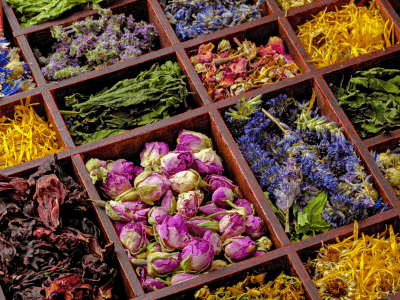
- Start a Morning or Evening Tea Ritual: Choose one time of day to pause for tea. Even five mindful minutes can anchor your routine.
- Treat Yourself to Tools You Love: A traditional teapot, a beautiful cup, or a cozy tea nook can make the practice feel inviting and special.
- Explore a Variety of Teas: Let your needs guide your selection—stress relief, digestion, detoxification, energy, or grounding. You can even set a gentle intention such as, “This tea brings me calm clarity.”
- Use Loose-Leaf Teas: Loose-leaf teas generally offer better flavor and higher nutrient density. Many tea bags also contain microplastics, making loose-leaf a healthier option. Infusion baskets, tea balls, unbleached paper bags, or teapots with built-in strainers make brewing simple.
Tea offers a rare blend of history, healing, and ritual. In holistic medicine, it becomes a gentle yet powerful companion—nourishing body, mind, and spirit. Whether sipped for wellness, shared in community, or enjoyed as a grounding daily practice, tea invites us to slow down, listen inward, and reconnect with ourselves.
References
- Cabrera, C., Artacho, R., & Giménez, R. (2006). Beneficial effects of green tea—a review. Journal of the American College of Nutrition, 25(2), 79–99.
- Graham, H. N. (1992). Green tea composition, consumption, and polyphenol chemistry. Preventive Medicine, 21(3), 334–350.
- Kuriyama, S. et al. (2006). Green tea consumption and mortality due to cardiovascular disease. JAMA, 296(10), 1255–1265.
- Smith, A. (2019). Tea ritual: Spiritual and cultural traditions. International Journal of Tea Culture, 12(1), 24–39.
- Schwartz, Steve. (2022). Art of Tea: A Journey of Ritual, Discovery, and Impact.
- Kakuzo, Okakura. (1989). The Book of Tea.
- Yance, Donnie. (2025). Green Tea and Prostate Cancer: Promising Connections for Health.
- Aboulwafa, Maram, et al. (2019). A Comprehensive Insight on the Health Benefits and Phytoconstituents of Camellia sinensis and Recent Approaches for Its Quality Control. Antioxidants (Basel).
Join the Mederi Center community by signing up for our email list. We send several emails a month with product promotions for patients, practical tips for healthy living, blogs written by our Care Team, information about events, and other news. You can unsubscribe at any time.

Meet Dr. Rachel Stricker
Rachel Stricker, ND, is a licensed naturopathic doctor who is passionate about helping people feel their best by blending natural therapies with compassionate, personalized care. With over a decade of experience, including eight years in private practice, she specializes in GI health, autoimmune disease, Lyme disease and chronic infections (Epstein Barr, Long COVID, etc.), hormonal balance, and detoxification (mold toxicity, environmental toxicity, etc.). Dr. Stricker integrates her background as a yoga instructor and plant-based chef to help patients reduce stress, nourish their bodies, and build lasting vitality. She was drawn to the Mederi Care model for its deep focus on botanical medicine, clinical nutrition, and whole-systems healing, and loves working alongside patients to create integrative treatment plans that support long-term health and resilience. Learn more about Dr. Stricker here.
Learn more about becoming a patient >>