

Dr. Jason Miller Blog
Seasonal Viral Infections: A Five-Phase Approach Rooted in Traditional Chinese Medicine

As global health continues to contend with the prevalence of viral infections, a renewed focus on prevention, resilience, and ecological health is paramount. This article explores the principles and practices of addressing acute viral infections, with a particular emphasis on botanical medicine, informed by Traditional Chinese Medicine (TCM), modern research, and integrative approaches.
The Role of Biodiversity in Health
Biodiversity is essential not just for ecological stability but also for human health. Renowned naturalist David Attenborough highlighted how the Holocene era—characterized by ecological balance—has allowed life to flourish. The interconnectedness of ecosystems ensures stability, but as biodiversity declines, so does our resilience to disease. This reduction affects not only our environment but also the virome—the genetic repository of viral life forms—which plays a vital role in maintaining balance within our bodies.
Historically, human interventions to eliminate microbes often miss the deeper issues of ecological imbalance. Diseases are frequently symptoms of a destabilized environment, both internally and externally. Addressing this requires focusing on strengthening the “soil”—our internal terrain—rather than targeting pathogens alone.
Understanding the Life Force
In holistic traditions worldwide, the concept of a “life force” unifies the body’s systems, ensuring harmony and balance. This innate capacity governs self-healing, regeneration, and homeostasis. Western reductionism often overlooks this guiding principle, emphasizing mechanistic views of disease. However, the integration of life force concepts into medicine fosters a more cohesive understanding of health.
For instance, in TCM, Qi represents the vital function of organs and tissues. By working with Qi, practitioners aim to reorder and restore balance, allowing the body to heal itself. This philosophy underscores the importance of supporting the inflammatory process and recognizing it as a purposeful, adaptive response rather than merely suppressing symptoms.
The Five-Phase Approach to Seasonal Viral Infections
To address acute viral infections, an adaptable and phased approach rooted in botanical medicine and holistic principles is essential. These five phases include:
1. Prevention
Strengthening the constitution and increasing adaptive capacity are foundational. Strategies include:
- Tonifying Wei Qi (defensive energy in TCM)
- Enhancing immune function with adaptogens and medicinal mushrooms
- Incorporating functional foods like polyphenol-rich vegetables, omega-3s, and fermented products
- Reducing dampness-inducing foods (e.g., sugars, dairy) to minimize susceptibility to pathogens
2. Early Symptom Management: Venting Pathogens
At the earliest signs of illness, such as a scratchy throat or slight fever, releasing the pathogen through diaphoretics and inducing sweat is critical. Techniques include:
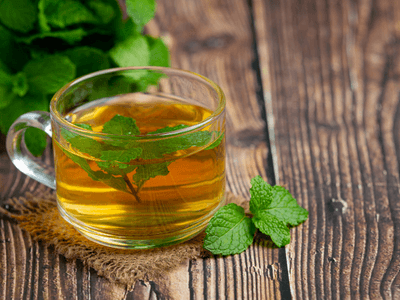
- Drinking diaphoretic herbal teas (e.g., ginger, peppermint, yarrow)
- Taking hot baths or using saunas to promote sweating
- Staying bundled and hydrated with electrolyte-rich fluids
3. Shortening the Course and Ameliorating Symptoms
If symptoms progress, supporting the body to clear pathogens and alleviate discomfort becomes vital. Examples include:
- Using TCM formulas like Minor Bupleurum Decoction to harmonize the digestive system and address Shao Yang syndromes (characterized by alternating chills and fever)
- Employing botanicals such as elderflower, propolis, and Scutellaria for their anti-inflammatory and antiviral properties
- Addressing gastrointestinal symptoms with formulas like Upright Qi Decoction to resolve dampness and harmonize digestion
4. Clearing Deeper Pathogens
For severe or advanced infections, targeted therapies address deep-seated imbalances. In TCM, this involves resolving damp-heat syndromes, ventilating lung Qi, and detoxifying through herbs like Isatis, honeysuckle, and baical skullcap. Western botanicals like Baptisia and poke root are valuable adjuncts for lymphatic support.
5. Rescuing the Deficient Patient
Post-viral fatigue and lingering symptoms, often seen in “long haulers,” require rebuilding and tonifying strategies. Botanicals such as Astragalus, Cordyceps, and adaptogens restore energy and resilience. Nutrient support with zinc, vitamin D, and bone broth aids recovery.

Integrating Traditional and Modern Insights
TCM’s approach to epidemics spans millennia, offering invaluable insights. For example, during the SARS epidemic, hospital workers using formulas like Jade Windscreen Powder (Yu Ping Feng San) showed enhanced immune activity and resistance to infection. Modern studies affirm the effectiveness of herbal combinations in reducing viral severity and duration.
Incorporating these practices alongside contemporary research enhances their applicability. For instance, zinc and its ionophores, such as quercetin, improve immune response and inhibit viral replication. Similarly, medicinal mushrooms like Ganoderma and Cordyceps not only boost immunity but also detoxify and regulate homeostasis.
Lifestyle and Dietary Foundations
Prevention and resilience extend beyond herbal remedies. Daily habits such as regular exercise, good sleep hygiene, and stress management are paramount. Nutrient-rich diets incorporating fermented foods, plus phytonutrient-dense fruits and vegetables support systemic health. Avoiding sedentary indoor lifestyles and prioritizing fresh air and sunlight further enhance immune capacity.

An Individualized Approach to Resilience and Care
The principles outlined here reflect the integrative philosophy of Mederi Care®, which recognizes that supporting health involves looking beyond symptoms to the whole person—including constitution, lifestyle, nutrition, underlying patterns of imbalance, and the body's capacity to adapt and heal. By bringing together the wisdom of Traditional Chinese Medicine and botanical medicine with modern research and other therapeutic approaches, Mederi Care seeks to support resilience and whole-person health through every stage of illness and recovery.
At the same time, acute and post-viral conditions can present differently from person to person. The appropriate herbs, formulas, nutrients, and therapeutic strategies depend on an individual's symptoms, constitution, health history, medications, and other factors. Working with a qualified practitioner is therefore an important part of developing an individualized approach to care. A practitioner can help determine which strategies are appropriate, how they should be combined, and when additional medical evaluation or treatment may be needed.
Join the Mederi Center community by signing up for our email list! We send a couple of emails each month with practical tips for healthy living, blogs written by our practitioners, and product promotions for patients. You can unsubscribe at any time.

Meet Dr. Jason Miller
Jason Miller, DACM, LAc, is a doctor of acupuncture and Chinese medicine with nearly two decades of experience helping people navigate cancer, chronic illness, and complex health challenges. He blends traditional Chinese medicine with modern biomedical therapies, creating integrative, personalized treatment plans. Dr. Miller’s areas of expertise include cancer care, autoimmune disease, diabetes, environmental toxicity, neurocognitive decline, and chronic fatigue. In addition to his clinical work, he serves as Head of Faculty and Content Development for the Mederi Academy, and as a medical educator for Natura Health Products. Learn more about Dr. Miller here.
Interested in becoming a patient? Dr. Miller sees patients both in person at our clinic and via telemedicine. To get started, visit our Become a Patient page or call 541-488-3133 to schedule an appointment.