
Healthy Living Blog
Supporting Chemotherapy with Short-Term Fasting: What Patients Should Know
by Donnie Yance, CN, RH (AHG)

For many people facing chemotherapy, one of the biggest concerns isn't just whether the treatment will work—it's how difficult it will be to get through it. Fatigue, nausea, lowered immunity, and other side effects can take a significant toll on quality of life, sometimes making it difficult to complete treatment as planned.
Emerging research suggests there may be a way to help the body better tolerate chemotherapy while potentially improving its effectiveness: short-term fasting, carefully timed around treatment and done under medical supervision. While this approach isn't appropriate for everyone, a growing body of evidence suggests it may help protect healthy cells while leaving cancer cells more vulnerable to chemotherapy.
Why Chemotherapy Can Be So Challenging
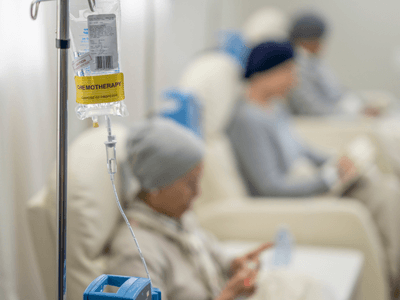
Chemotherapy is designed to destroy rapidly dividing cancer cells, but it can also damage healthy cells that divide quickly, such as those in the digestive tract, bone marrow, hair follicles, and immune system. This is why many patients experience side effects including fatigue, nausea, lowered blood counts, neuropathy, and digestive discomfort.
These side effects do more than affect quality of life. In some cases, they can require chemotherapy doses to be reduced or treatments delayed, potentially limiting the effectiveness of cancer therapy.
For decades, supportive care has focused primarily on managing side effects after they occur. But what if we could help healthy cells become more resistant to chemotherapy while making cancer cells more susceptible to its effects? That question has led researchers to investigate the role of short-term fasting.
The Science Behind Fasting and Chemotherapy
The concept is based on what researchers call differential stress resistance—the remarkable ability of healthy cells and cancer cells to respond differently when nutrients become temporarily scarce.
Imagine two houses preparing for a powerful storm. One has an advanced warning system. As the storm approaches, the windows are shuttered, valuable belongings are secured, and the house is reinforced. The second house ignores every warning. When the storm arrives, the protected home weathers it with minimal damage, while the unprepared one suffers significant destruction. Healthy cells behave much like the first house.
When calorie intake is temporarily reduced, they recognize that nutrients are limited and shift into a protective, maintenance mode. Instead of focusing on growth, they conserve energy, activate repair mechanisms, and become more resistant to stress—including the stress caused by chemotherapy.
Cancer cells, however, often lose this ability. Their growth signals remain switched on, even when nutrients are scarce. Unable to slow down or protect themselves, they become metabolically vulnerable. When chemotherapy is administered during this window, healthy cells may be better protected while cancer cells remain highly susceptible to treatment.
This difference is what makes short-term fasting such an intriguing area of cancer research.
Why Metabolism Matters
One reason fasting appears to influence chemotherapy involves hormones that regulate growth, particularly insulin and insulin-like growth factor-1 (IGF-1). After we eat, insulin and IGF-1 rise to help cells absorb nutrients and promote growth. While healthy cells respond appropriately to these signals, many cancer cells become heavily dependent on them. Elevated insulin and IGF-1 can activate pathways that encourage cancer cell growth and make tumors more resistant to chemotherapy.
During a short period of fasting, insulin, IGF-1, and blood sugar levels naturally decline. Healthy cells respond by slowing down and activating protective pathways. Cancer cells, which often cannot adapt to these changing conditions, lose many of the growth signals they rely on while remaining vulnerable to chemotherapy.
Rather than weakening the body, carefully supervised fasting appears to create metabolic conditions that favor healthy cells while placing additional stress on cancer cells.
What the Research Shows
Much of the early evidence came from laboratory and animal studies, where researchers consistently found that fasting protected healthy tissues from chemotherapy while enhancing the destruction of cancer cells. Those promising findings have now been followed by human clinical studies.
Better Treatment Response
In a Phase 2 clinical trial involving women with advanced ovarian cancer, participants who followed a short-term fasting protocol around chemotherapy experienced stronger tumor responses than those who ate normally. They also had longer periods before their cancer progressed. Although additional studies are needed, these findings suggest that fasting may enhance the effectiveness of chemotherapy for certain patients.
Improved Quality of Life
One of the most encouraging findings comes from women receiving chemotherapy for early-stage breast cancer. Participants who practiced short-term fasting around each chemotherapy treatment consistently reported better quality of life than those following a standard diet. Researchers measured improvements across multiple areas, including physical well-being, emotional health, social functioning, and daily activities.
Perhaps most striking was the effect on fatigue. Cancer-related fatigue is one of the most common and debilitating side effects of chemotherapy. In this study, patients who fasted maintained energy levels throughout treatment, while those in the comparison group experienced the significant fatigue commonly associated with chemotherapy.
For many patients, maintaining energy can mean continuing to work, spending time with family, remaining physically active, and preserving independence throughout treatment.
Reduced Side Effects
Additional research suggests that short-term fasting may reduce several common chemotherapy-related toxicities while preserving—or even enhancing—the treatment's ability to attack cancer.
Animal studies have demonstrated reduced damage to healthy tissues without compromising tumor control. Researchers have also observed changes that may improve chemotherapy's effectiveness, including reduced inflammation, improved metabolic regulation, and increased sensitivity of cancer cells to treatment.
While larger clinical trials are still underway, the evidence continues to support the idea that carefully timed fasting may widen chemotherapy's therapeutic window—improving its effectiveness while reducing collateral damage to healthy tissues.
Why These Findings Matter
Taken together, current research suggests several potential benefits of medically supervised short-term fasting around chemotherapy:
- Better quality of life during treatment
- Reduced chemotherapy-related fatigue
- Less damage to healthy tissues
- Improved tumor response in some studies
- Enhanced metabolic conditions that may support treatment effectiveness
Although fasting is not a substitute for chemotherapy, it may become an important supportive strategy for appropriate patients receiving conventional cancer treatment.
Is Fasting Right for Everyone?
While the research on short-term fasting and chemotherapy is encouraging, it's important to understand that this approach is not appropriate for every patient.
Fasting should always be individualized based on a person's overall health, nutritional status, cancer type, and treatment plan. Patients who are already underweight, malnourished, experiencing cancer cachexia (severe weight and muscle loss), or have certain metabolic conditions may not be good candidates. Children and adolescents also require special consideration.
For appropriate patients, however, clinical studies have shown that carefully supervised fasting protocols are generally well tolerated.
If you're interested in incorporating fasting into your treatment plan, the first step is to discuss it with your oncologist and work with an integrative healthcare practitioner experienced in oncology nutrition. Together, they can determine whether this strategy is appropriate for your individual circumstances and tailor a plan that supports both your treatment goals and your nutritional needs.
How I Incorporate Fasting Into Patient Care
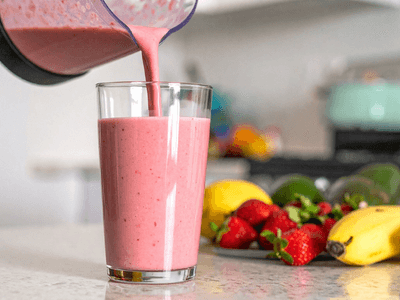
In my clinical practice, fasting is never viewed as a one-size-fits-all approach. Instead, it becomes part of a comprehensive plan designed to support the body before, during, and after chemotherapy. For many patients, this involves transitioning to a nutrient-dense medicinal smoothie or similarly nourishing, low-calorie foods in the day or two leading up to treatment. During chemotherapy and the following day, I typically recommend very light eating while maintaining adequate hydration. Afterwards, patients gradually return to a whole-food, plant-rich diet with sufficient protein and other nutrients to support tissue repair, immune function, and recovery.
The refeeding period is just as important as the fasting period. The goal isn't simply to eat less—it's to strategically support the body's natural healing processes throughout the entire treatment cycle.
Every recommendation is individualized. Factors such as body weight, metabolic health, digestive function, treatment intensity, and personal preferences all influence the protocol. Some patients may benefit from a modified fasting approach rather than a complete fast, while others may require different nutritional strategies altogether.

Don't Overlook Hydration
Hydration is another important—and often overlooked—part of supporting the body through chemotherapy. Staying well hydrated before, during, and after treatment can help support overall comfort and recovery. In my practice, I frequently encourage patients to discuss additional hydration with their oncology team and to follow an individualized nutrition plan that supports resilience throughout treatment. Like fasting, hydration strategies should always be tailored to the individual and coordinated with the patient's medical team.
Putting the Research Into Perspective
Although more large-scale clinical trials are still needed, the research to date paints an encouraging picture. Studies suggest that carefully timed, short-term fasting may help reduce chemotherapy-related side effects, preserve quality of life, and improve treatment response in some patients—all while working alongside conventional cancer care rather than replacing it.
Perhaps most importantly, this research reminds us that nutrition and metabolism play a far greater role in cancer treatment than many people realize. By understanding how healthy cells and cancer cells respond differently to changes in nutrient availability, we may be able to create conditions that better support the body's resilience during one of its most challenging therapies.
Working With Your Body—Not Against It
For many years, chemotherapy's side effects were viewed as an unavoidable price of effective cancer treatment. Today, emerging research suggests we may be able to better support healthy tissues while maintaining—or even enhancing—the effectiveness of chemotherapy. Short-term fasting represents one promising example of how thoughtful nutritional strategies can complement modern cancer care. Rather than working against the body's natural biology, this approach seeks to harness protective mechanisms that have helped humans adapt to periods of food scarcity throughout evolution.
While fasting is not appropriate for everyone, and should never be undertaken without medical guidance, it offers an encouraging example of how integrative oncology continues to evolve. By combining the best of conventional treatment with evidence-informed nutritional and lifestyle strategies, we can better support both treatment outcomes and quality of life.
Your body possesses remarkable capacity for adaptation and healing. Sometimes, one of the most powerful ways to support that healing is by creating the conditions that allow its natural protective mechanisms to do what they were designed to do.
The Research Behind This Article
This article is based on published clinical and preclinical research investigating the effects of short-term fasting during chemotherapy, including studies listed below.
Selected References
- de Groot S, Pijl H, van der Hoeven JJM, Kroep JR. Effects of short-term fasting on cancer treatment. J Exp Clin Cancer Res. 2019;38:209.
- Longo VD, Mattson MP. Fasting: Molecular mechanisms and clinical applications. Cell Metab. 2014;19(2):181-192.
- Lee C, Raffaghello L, Brandhorst S, et al. Fasting cycles retard growth of tumors and sensitize a range of cancer cell types to chemotherapy. Sci Transl Med. 2012;4(124):124ra27.
- Raffaghello L, Lee C, Safdie FM, et al. Starvation-dependent differential stress resistance protects normal but not cancer cells against high-dose chemotherapy. Proc Natl Acad Sci USA. 2008;105(24):8215-8220.
- Marchetti C, et al. Fasting before and after chemotherapy in patients with ovarian cancer: A randomized phase 2 trial. Presented at the European Society for Medical Oncology (ESMO), 2019.
- Huisman SA, Bijman-Lagcher W, IJzermans JN, Smits R, de Bruin RW. Fasting protects against the side effects of irinotecan but preserves its anti-tumor effect in Apc15lox mutant mice. Cell Cycle. 2015;14(14):2333-2339.
- Zhang J, Deng Y, Khoo BL. Fasting to enhance cancer treatment in models: The next steps. J Biomed Sci. 2020;27(1):58.
- de Gruijl N, Pijl H, van der Burg SH, Kroep JR. Short-term fasting synergizes with solid cancer therapy by boosting antitumor immunity. Cancers (Basel). 2022;14(6):1390.
- Buono R, Longo VD. Starvation, stress resistance, and cancer. Trends Endocrinol Metab. 2018;29(4):271-280.
Join the Mederi Center community by signing up for our email list. We send several emails a month with product promotions for patients, practical tips for healthy living, blogs written by our Care Team, information about events, and other news. You can unsubscribe at any time.

Meet Donnie Yance, CN, RH (AHG)
Donnie Yance is a certified nutritionist and master herbalist with over 40 years of clinical experience. He is the founder of the Mederi Center, specializing in integrative care for cancer and chronic illness; the Mederi Academy, providing practitioner education; and Natura Health Products. His work unites traditional medical systems with modern science to support whole- person healing and health optimization.
Learn more about becoming a patient >>