
Nature’s Treasure Trove: The Synergistic Power of Botanical Medicine Against Cancer
by Donnie Yance, CN, RH (AHG)
Nature offers a remarkable array of medicinal plants whose compounds can influence multiple biological processes. When combined thoughtfully, these botanicals may offer benefits beyond those of individual compounds—a principle known as botanical synergy.
Six botanicals are particularly interesting in this context: green tea, turmeric, black pepper, black cumin seed, resveratrol, and rosemary. Each contains distinctive compounds that researchers are investigating for their effects on cancer-related pathways. Understanding how these compounds interact, and how the body transforms them, may offer important insights into the role of botanical medicine in cancer care.
Why Botanical Medicine Matters in Cancer Research
Despite significant advances in cancer treatment, recurrence, metastasis, and treatment resistance remain important challenges. One area of research focuses on cancer stem cells, a population of cells that may contribute to tumor growth, recurrence, and resistance to treatment.
Conventional treatments such as surgery, chemotherapy, and radiation remain essential components of care for many cancers. However, researchers continue to investigate additional strategies that may influence the biological processes involved in cancer progression.
Botanical compounds have attracted interest because they can interact with multiple cellular signaling pathways. Rather than acting on a single target, some may influence processes related to inflammation, cell proliferation, programmed cell death (apoptosis), and the development of blood vessels that supply tumors.
Much of this research remains preclinical, and laboratory findings do not necessarily translate into effective treatments in people. Nevertheless, studying the complex actions of medicinal plants may help expand our understanding of cancer biology and inform future research.
Six Botanical Treasures
Green Tea (EGCG)
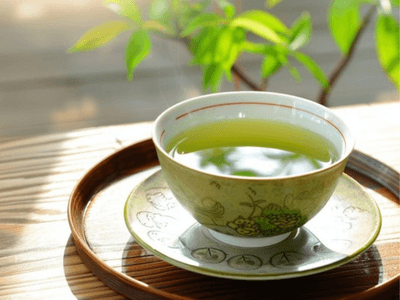
Green tea contains epigallocatechin-3-gallate (EGCG), a polyphenol extensively studied for its biological activity. Laboratory research has examined EGCG's effects on cancer cell proliferation, apoptosis, angiogenesis, and signaling pathways associated with cancer stem cells. Researchers are also investigating whether it may influence the response of cancer cells to conventional treatments.
Turmeric (Curcumin)
Curcumin is the best-known bioactive compound in turmeric, a plant long used in Ayurvedic and traditional Chinese medicine. Research has explored curcumin's effects on inflammatory signaling, oxidative stress, cell proliferation, and apoptosis. Its potential influence on pathways involved in cancer stem cell behavior has also attracted considerable scientific interest.
Black Cumin Seed (Thymoquinone)
Black cumin seed, known botanically as Nigella sativa, contains thymoquinone. Traditionally valued as a medicinal plant, it is now being studied for its potential effects on cancer-related processes, including apoptosis, angiogenesis, and metastasis. Researchers are also exploring its possible interactions with other compounds and conventional cancer treatments.
Resveratrol
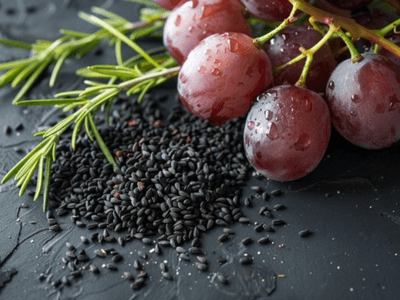
Found in grapes, berries, and Japanese knotweed, resveratrol is a polyphenol investigated for its effects on cellular stress responses, signaling pathways, and mechanisms associated with healthy aging. Its potential role in cancer research includes effects on cell growth and cancer stem cell-related pathways.
Rosemary
Rosemary contains compounds such as carnosic acid and rosmarinic acid. Research has examined their antioxidant, anti-inflammatory, and other biological activities, including potential effects on cancer-related pathways.
Black Pepper (Piperine)
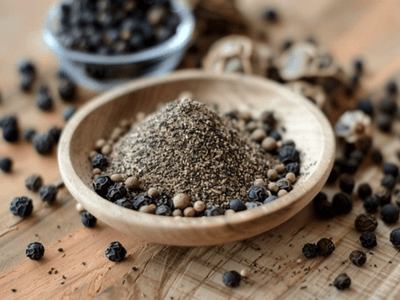
Black pepper contains piperine, a compound known for its influence on the absorption and metabolism of certain substances. Piperine has received particular attention for its interactions with curcumin and other plant compounds, as well as its own biological activity.
Each of these botanicals offers a distinct set of constituents and mechanisms. Their potential significance lies not only in their individual actions but also in how they may interact.
Beyond Individual Compounds: The Importance of Metabolites
One of the challenges in botanical research is understanding what happens after a plant compound enters the body.
Compounds such as EGCG and curcumin can undergo extensive metabolism, transforming into other substances called metabolites. These metabolites may have different biological activities, and their effects can differ from those of the original compounds.
This helps explain why understanding a botanical's activity requires more than examining the parent compound alone. Absorption, metabolism, distribution, and the interactions among different constituents all influence the body's exposure to these substances.
Black pepper's piperine adds another dimension to this discussion. Research has shown that piperine can affect the bioavailability and metabolism of certain compounds, including curcumin. These interactions are one reason traditional herbal formulations often combine multiple ingredients.
However, changing absorption or metabolism can also affect medications and other supplements. Such combinations therefore require careful consideration, particularly in cancer care.
The Synergistic Power of Botanical Combinations
Botanical synergy occurs when compounds interact to produce a combined effect greater than would be expected from their individual effects. This is an important concept in herbal medicine, where the properties of a whole plant or combination of plants may differ from those of an isolated constituent.

Research has investigated combinations of EGCG and curcumin, including studies examining their effects on breast cancer cells. Findings from preclinical studies suggest that these compounds may influence cancer-related processes through different but potentially interacting mechanisms.
The broader question is whether combining botanicals can address the complexity of cancer biology more effectively than studying individual compounds in isolation.
The six botanicals discussed here offer different areas of scientific interest: cellular signaling, inflammation, oxidative stress, apoptosis, metabolism, and cancer stem cell-related pathways. Their interactions may provide useful directions for further investigation.
Still, synergy must be demonstrated rather than assumed. Results from laboratory studies cannot establish that a combination will be effective or safe as a cancer treatment in people. The specific compounds, formulations, doses, and circumstances all matter.
The Role of Practical Wisdom in Herbal Medicine
Scientific knowledge is essential, but applying that knowledge to an individual patient requires another dimension of understanding: practical wisdom, or phronesis.
In herbal medicine, this means knowing not only what a plant contains or what a laboratory study demonstrates, but also how that information applies to a particular person. It requires a deep understanding of botanical medicine, clinical experience, careful observation, and attention to the individual's circumstances.
The choice of botanicals, their proportions and formulations, and the timing of their use can all influence a clinical plan. A practitioner must also consider the patient's diagnosis, current treatments, overall health, and changing needs.
This is where traditional medical knowledge and modern scientific research can inform one another. Neither research findings nor standardized protocols alone can account for every individual circumstance. Sound clinical judgment helps guide how available knowledge is applied.
Bringing Botanical Medicine Into Cancer Care
Botanical medicine is not a collection of magic bullets. Its potential role in cancer care must be considered within the broader context of an individual's health and treatment plan. Botanicals work best when combined with appropriate conventional treatments (when needed), a nutrient-dense diet, stress management, adequate sleep, movement, and other lifestyle factors that support the body’s innate healing capacity.
While these botanicals are generally safe and available, working with a qualified healthcare practitioner—particularly one trained in integrative oncology or botanical medicine—is essential. Dosing matters. Quality matters. Timing matters. Individual context matters.
At Mederi Center, our approach brings botanical medicine and clinical nutrition together with modern medical knowledge, traditional healing wisdom, and individualized clinical judgment. The aim is to consider the person as a whole while carefully evaluating which strategies may be appropriate to their particular circumstances.
The relationship between medicinal plants and human health continues to offer important opportunities for research. By studying the actions of individual compounds, their metabolites, and their interactions, we can deepen our understanding of botanical medicine and its potential applications.
The treasure trove of medicinal plants is vast. Exploring it responsibly requires both scientific rigor and the practical wisdom to apply what we learn with care.
This article has been adapted from Donnie Yance’s original blog. For the full-length article, including scientific references, visit Nature’s Treasure Trove: Unlocking the Synergistic Power of Botanical Medicine Against Cancer.
Join the Mederi Center community by signing up for our email list. We send several emails a month with product promotions for patients, practical tips for healthy living, blogs written by our Care Team, information about events, and other news. You can unsubscribe at any time.

Meet Donnie Yance, CN, RH (AHG)
Donnie Yance is a certified nutritionist and master herbalist with over 40 years of clinical experience. He is the founder of the Mederi Center, specializing in integrative care for cancer and chronic illness; the Mederi Academy, providing practitioner education; and Natura Health Products. His work unites traditional medical systems with modern science to support whole- person healing and health optimization.
Learn more about becoming a patient >>